NOT JUST FOOTBALL: HOW THE FIFA 2026 WORLD CUP BECAME A MARKETING PHENOMENON
Spain became world champions for the second time, beating Argentina 1:0 in the final. Ferran Torres scored the decisive goal in extra time. But over the 39 days of the tournament, millions of people were paying attention to more than just scores, goals, and the group table.
The FIFA 2026 World Cup became a global stage where a single trip to a local store turned into free advertising for a small business, a hidden logo became a new product, and a social media post became an international scandal.
Here are the stories that made one thing clear: modern football isn't just a sport — it's a massive attention industry.
HAALAND, COWBOY BOOTS AND A RACCOON HOLDING A BOTTLE
During the World Cup, Erling Haaland stood out not only for his play with Norway, which reached the quarterfinals for the first time.
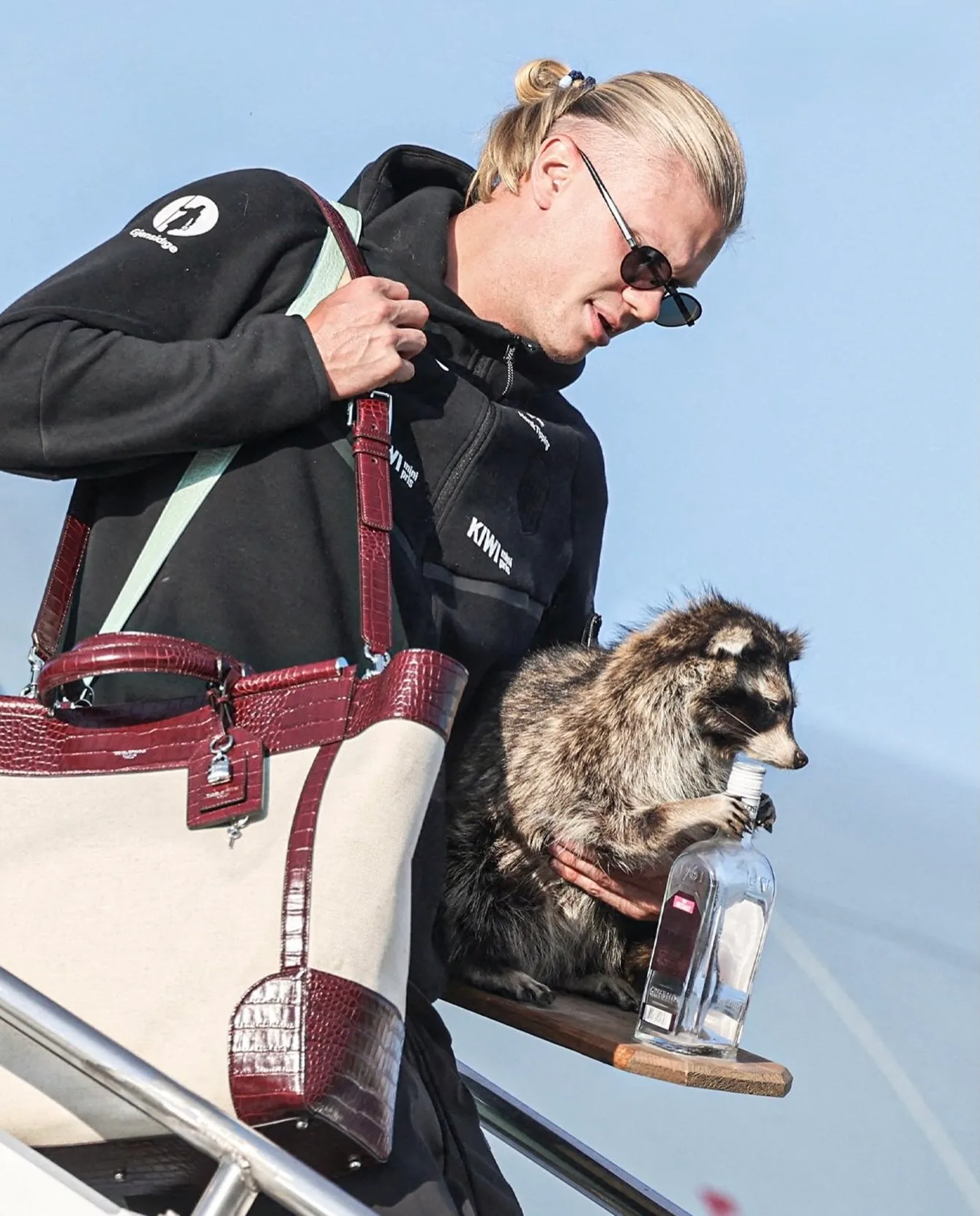
While in Dallas, the striker and his teammates visited Wild Bill's Western Store — a shop specializing in cowboy clothing and accessories. He picked up hats, custom-made boots, and other Texas-style pieces. But it wasn't the new footwear that grabbed the most attention — it was a stuffed raccoon holding a bottle that Haaland took home with him. He was later spotted with the unusual souvenir even after returning from the tournament.
Sports media and social networks picked the story up quickly. Wild Bill's website even added a dedicated collection tied to Haaland's now-famous raccoon.
He didn't shoot a commercial, didn't read a prepared script, and never told his followers to go buy cowboy boots. He simply blended into the local culture — and that's exactly why the story worked.
The case is a clean illustration of the power of personal brand. In today's media landscape, audiences care about more than a player's goal tally — they want to know what he buys, how he jokes, where he hangs out, and who he is off the pitch. Sometimes one genuine moment brings a brand more attention than any carefully planned integration.
THE LOGO THAT BECAME VISIBLE EXACTLY WHEN IT WAS COVERED
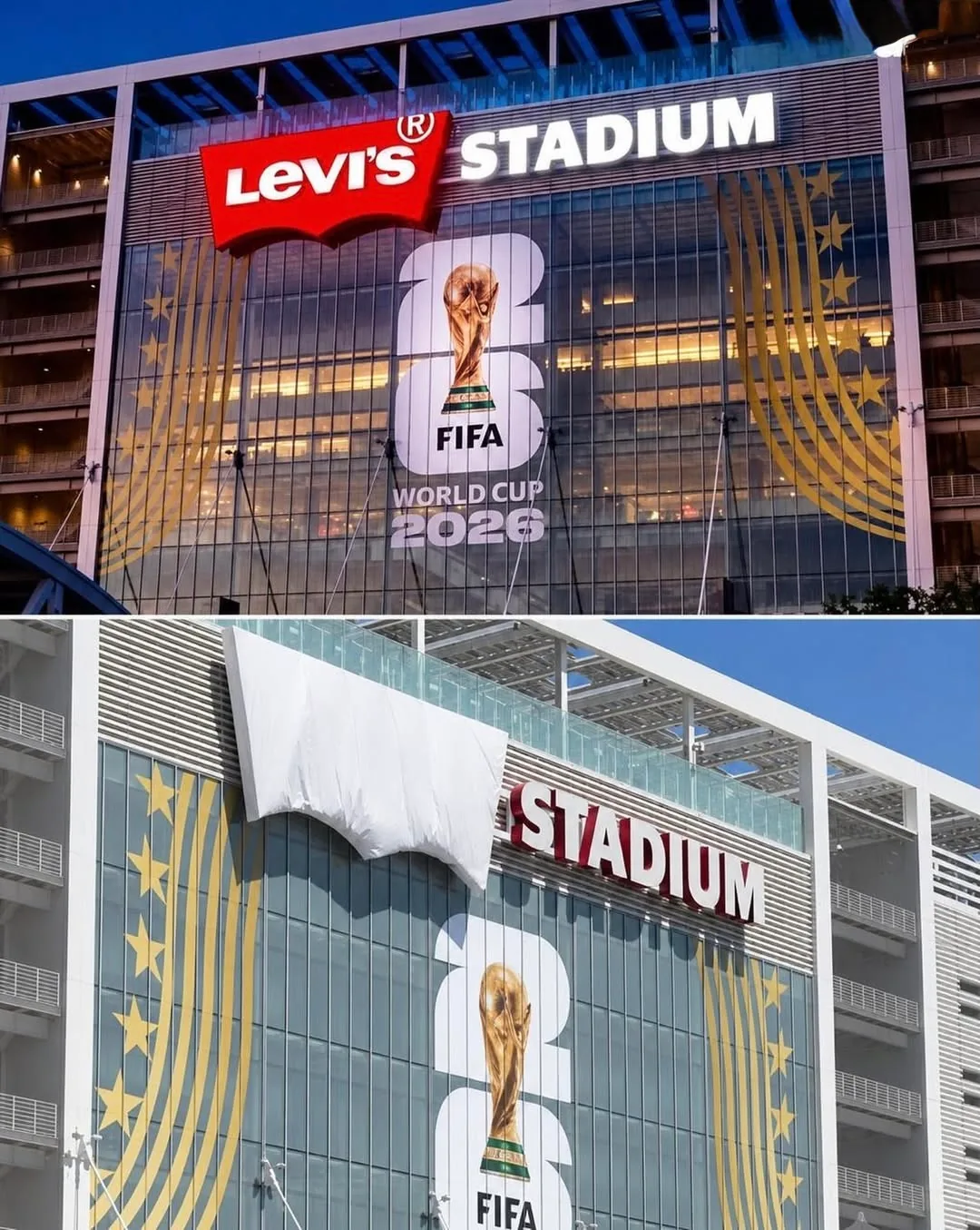
Levi's Stadium in Santa Clara hosted World Cup matches, but during the tournament it officially operated under the name San Francisco Bay Area Stadium.
The reason is FIFA's policy on "clean" stadiums. Commercial branding from companies that aren't official tournament partners must be removed or hidden. So the Levi's signage across the arena was covered with large white sheets.
The story could have ended there. But the shape of the well-known batwing logo stayed recognizable even under the fabric. Photos of the covered signage started spreading online, and Levi's rode the wave.
The company turned an enforced cover-up into a piece of its own communication and then released the Nobody's Gonna Know Logo Tee. Instead of the usual red logo, the shirt showed a white, seemingly-covered version of it — a direct reference to what happened at the stadium.
In the end, a rule meant to make the brand invisible produced even more organic attention for it.
Levi's didn't try to argue with FIFA or pretend nothing had happened. The brand saw a ready-made storyline in an awkward situation and quickly turned it into content and product. That speed of reaction is exactly what separates strong situational marketing from teams trying to jump on a trend once everyone's already moved on.
ONE POST THAT TURNED INTO AN INTERNATIONAL SCANDAL
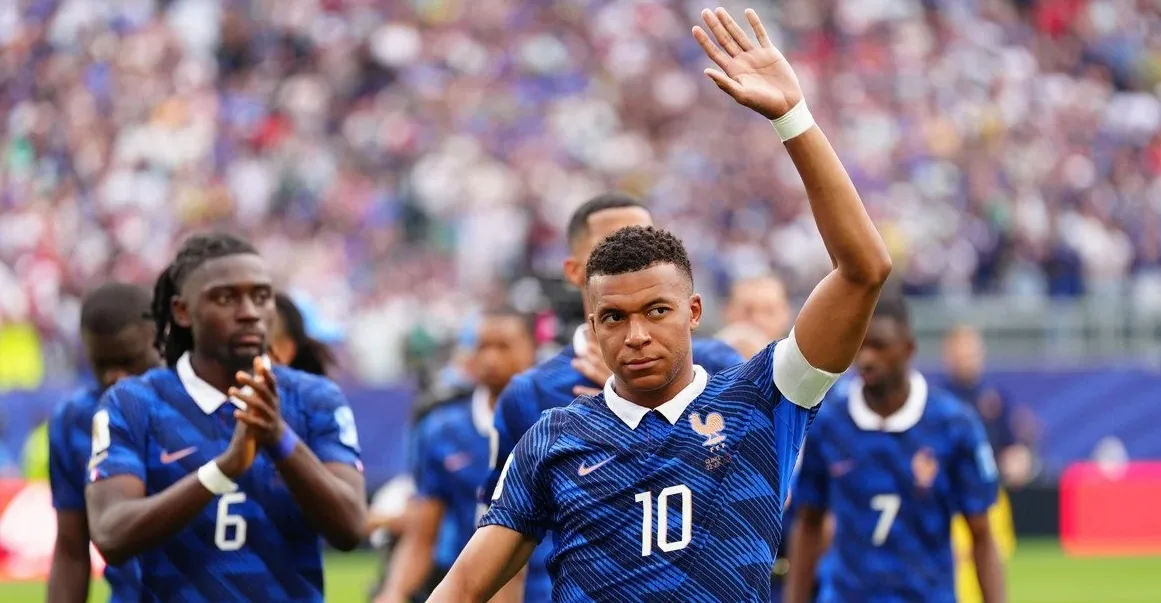
After France's playoff win over Paraguay, Paraguayan senator Celeste Amarilla posted racist remarks on social media targeting Kylian Mbappé.
The posts went up after Mbappé converted the decisive penalty that knocked Paraguay out of the tournament. Some of them were later deleted, but they had already spread across the media.
The French Football Federation filed a complaint with the online hate crimes unit, and the Paris prosecutor's office opened an investigation. French officials, human rights advocates, and the UN Office of the High Commissioner for Human Rights all publicly condemned the situation.
Mbappé himself responded, calling the remarks racist. Amarilla later said she regretted the situation but also demanded an apology — from the player. What started as an emotional post after a match turned into a legal, political, and international story.
The case shows another side of enormous media reach. The World Cup gives public figures a huge audience, but with it comes an equally huge responsibility. Simply deleting an unfortunate post is no longer enough: screenshots stick around, media picks the topic up, and a reputational crisis can spill far beyond sport.
THE 40-YEAR-OLD GOALKEEPER NOBODY EXPECTED TO SEE AMONG THE HEROES
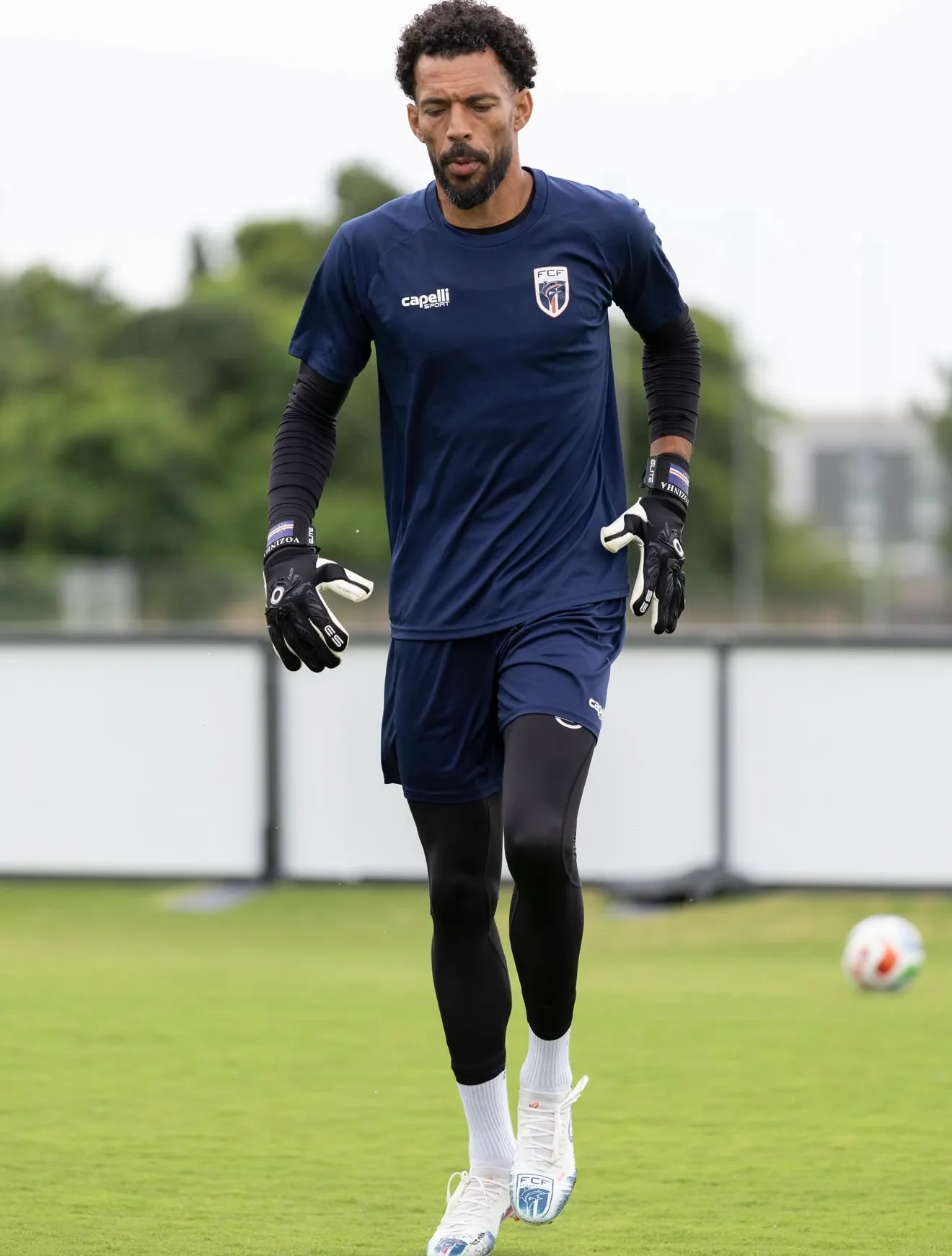
Before the tournament, few would have named Cape Verde as a likely magnet for global media attention. Yet their 40-year-old goalkeeper Vozinha became one of the most talked-about characters of the World Cup.
He put up strings of saves against strong opponents, and Cape Verde reached the knockout stage in their tournament debut. He drew particular attention for his performances against Spain and Argentina. By the end of the championship, Vozinha was already being called one of the tournament's cult heroes.
This story didn't work because of a scandal or an ad deal. It had everything an audience loves: an unexpected hero, an underdog team, a late-career success, and genuine emotion.
Marketing often tries to manufacture the perfect story. But sport keeps reminding us that the most powerful storylines already exist — you just have to spot them in time and tell them right.
THE BANNER THAT BROUGHT FOOTBALL BACK TO POLITICS
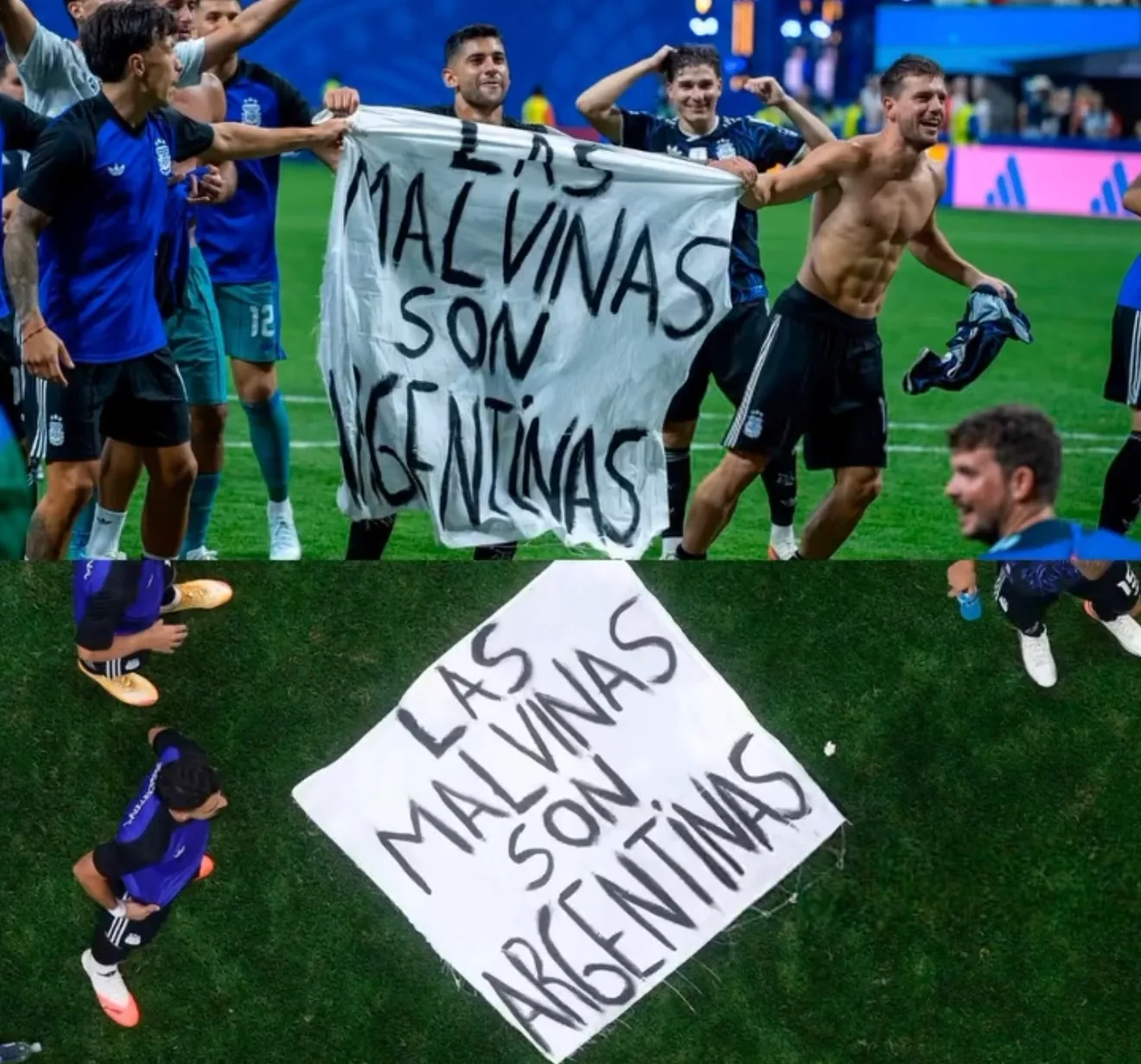
After Argentina beat England in the semifinal, Argentine players held up a banner reading Las Malvinas son Argentinas — "The Malvinas Islands belong to Argentina."
The reference was to the Falkland — or Malvinas — Islands, a territory whose sovereignty has been disputed between Argentina and the United Kingdom for decades. Because of the political nature of the message, FIFA opened a review — the organization's rules restrict political statements at official events.
A few seconds of celebration after a match once again turned football into a stage for international political debate.
For brands, it's an important reminder: major sports events don't exist in a bubble separate from society. Any symbol, phrase, or gesture can take on a meaning its creators didn't plan for and trigger reactions far beyond the stadium.
THE FINAL ENDED, BUT THE STORY DIDN'T
Spain beat Argentina in the final, but the moment the whistle blew, attention shifted quickly from the result to what happened between the players and team staff afterwards.
A scuffle broke out on the pitch. Cameras caught confrontations involving Argentine players Leandro Paredes and Nahuel Molina, and coaching staff member Roberto Ayala. Ayala later publicly apologized for his part in an exchange with Dani Olmo, saying he had let his emotions get the better of him. FIFA opened a disciplinary review.
So the final minutes of the tournament produced another wave of coverage that kept the World Cup alive well after the trophy had been handed out.
WHY THE WORLD CUP BECAME A MARKETING PHENOMENON
The 2026 World Cup made it clear once again: today, audience attention doesn't stop at 90 minutes of football.
Haaland showed how an athlete's personality can put a local shop on the map. Levi's turned a restriction into a viral product. Vozinha's story reminded everyone that audiences are always looking for real heroes. And the scandals around Mbappé, the political banner, and the post-final scuffle made it clear how quickly any action can become a global news story.
In elite sport, it's not only the team that lifts the trophy that wins. The real winner is the one that manages to capture attention, become part of the cultural conversation, and stay in people's memory long after the final whistle.