Organic vs Non-organic: what's the difference and why it matters for media buyers
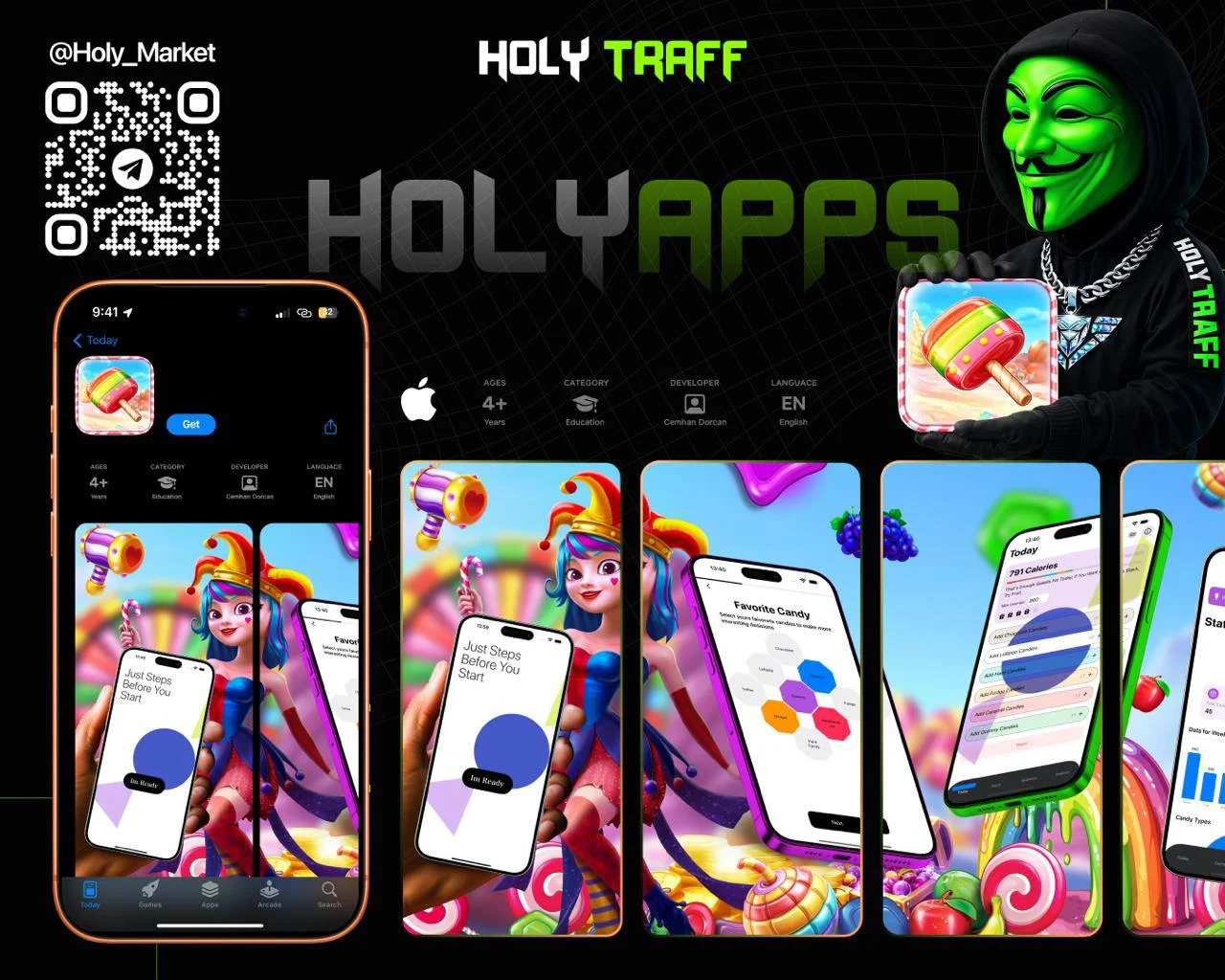
We haven't written about apps and traffic sources in a while — let's break down Organic vs Non-organic and why it really matters for media buyers, not just in theory.
Organic vs Non-organic — what's the difference?
Everyone knows the basics: traffic is either organic or non-organic. But in practice, the details matter:
1) what counts as organic in practice?
2) why is organic sometimes genuinely better for specific tasks?
3) how does attribution affect optimization and scale?
Organic (ASO / ASA)
Organic is a user who came from the App Store / Google Play through:
— search
— branded queries
— store listing
— ASA (for iOS)
Key point: most often this is traffic without external SDK tracking (FacebookSDK/AppsFlyer/Adjust, etc.).
ASO — what is it?
ASO = store listing optimization so the app ranks better and appears more often in search.
Important about iOS/Android:
— In Google Play, the Description affects indexation.
— In the App Store, the Description has almost no effect on the index the way many people think.
For iOS, what matters more: Title / Subtitle / Keywords, plus store listing conversion and reviews.
ASA — what is it?
Apple Search Ads — advertising directly inside the App Store. Placements: search, "Today/Search" tabs, product pages. Works as an auction: bid + relevance + conversion.
Levers of influence on conversion
Organic — you control the store listing: meta, screenshots — that's your creative, meaning targeted conversion. Organic tends to look more natural for stores since the user came from within the store itself through keyword optimization, which is less likely to trigger App Store/Google Play.
Non-organic — you control the media buying (creatives, audiences, events, tracker) outside AppStore/Google Play. Gives fast volume but raises requirements for user tracking and quality.
In upcoming posts we can break down Non-organic (FB/UAC), SDK, attribution and common mistakes that drain budgets.
About the money — what the Organic vs Non-organic difference gives you
In organic/ASA, the cost depends on the store listing: better screenshots/icon/meta — more installs for the same money with higher quality users who found your product themselves, i.e. already interested.
In non-organic, the cost depends on tracking and events: you can buy cheap installs, but without deposits/purchases.
Bottom line: organic saves through the store listing, non-organic — through attribution.
Remember that the team at @Holy_Market_CEO can always help you find the right app for this source and more.